November 18, 2026
Your chimney stands up to more punishment than almost any other part of your home. It's exposed to rain, snow, wind, and temperature swings on the outside, while the inside handles heat, smoke, and moisture from your fireplace or heating system. Over time, that combination can weaken bricks, mortar, and the structure that holds everything together. Below, we'll explain how chimney restoration protects your home's structural integrity and why addressing damage early can save you from much bigger problems later.
Understanding How Chimneys Lose Strength
Most chimney damage starts small. Water seeps into tiny cracks in the mortar or porous brick, and when temperatures drop, that water freezes and expands. In a climate like Western Pennsylvania's, this freeze-thaw cycle repeats dozens of times each winter, slowly widening cracks and loosening materials. Over the years, joints crumble, bricks spall, and the chimney begins to lose its strength. Because much of this happens gradually, many homeowners don't notice the damage until it becomes serious. Understanding how the deterioration works makes it easier to see why early repairs matter so much. Fireplace heat and acidic byproducts from combustion can also wear down the interior over time, adding to the stress on the structure.
Repairing Mortar Joints Through Tuckpointing
Mortar is the glue that holds a chimney together, but it typically wears out faster than the bricks around it. When joints become cracked, sandy, or recessed, water can enter more easily and the structure begins to loosen. Tuckpointing removes the damaged mortar and replaces it with fresh material that's matched to the existing masonry. This restores the bond between bricks and helps keep moisture out. It also improves the chimney's appearance, giving it a cleaner, more uniform look. For many chimneys, tuckpointing is one of the most important steps in chimney restoration because it addresses weakness at the source. Choosing the right mortar mix is also important, since mortar that's too hard can actually damage older brick.
Replacing Damaged Bricks
Bricks can crack, chip, or spall over time, especially when moisture gets trapped inside them. Spalling happens when the face of the brick flakes or pops off, exposing the softer interior to even more damage. Once bricks start to break down, they can no longer support the weight above them as well as they should. Replacing damaged bricks with sound, well-matched units restores strength to the affected area. Careful work also helps the repair blend in with the rest of the chimney, so the finished result looks natural. Addressing a few damaged bricks now is far easier than repairing an entire section once the damage spreads.
Restoring the Chimney Crown
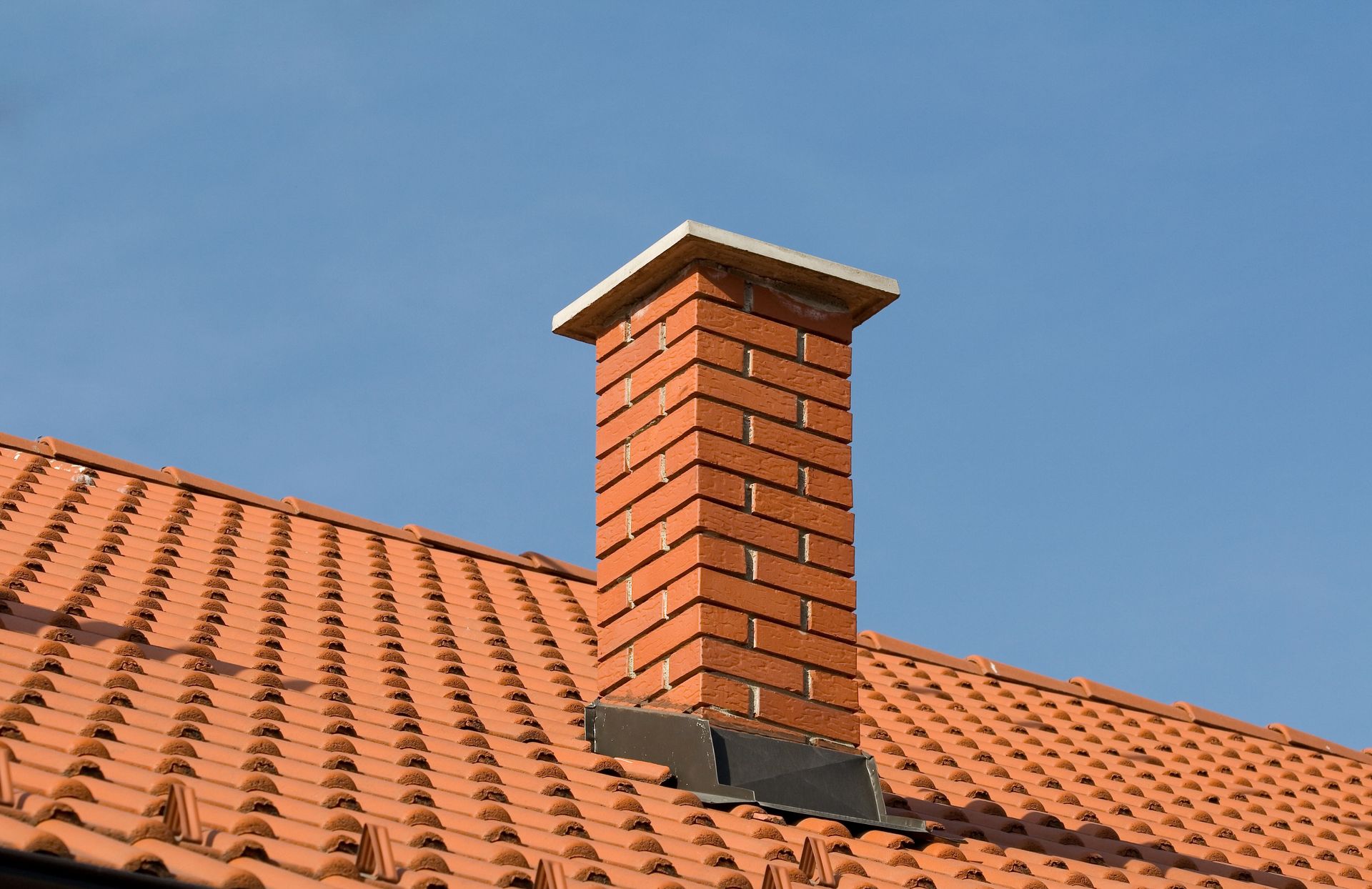
The crown is the concrete or masonry cap that covers the top of the chimney. It's designed to shed water away from the flue and the brick below, acting as the chimney's first line of defense against rain and snow. When the crown cracks or deteriorates, water can pour directly into the masonry and speed up damage from the top down. Repairing or rebuilding a damaged crown is a key part of keeping the entire structure sound. A well-built crown helps protect all the other repairs you've made, so they last longer. Many crowns are also built with an overhang that directs water away from the brick face, adding another layer of protection.
Sealing Flashing to Stop Leaks
Flashing is the metal barrier that seals the gap where your chimney meets the roof. If it's loose, rusted, or improperly installed, water can slip past it and into your attic, ceilings, and walls. Leaks around the chimney are often blamed on the roof when the flashing is actually the culprit. Repairing or replacing flashing closes that gap and helps prevent hidden water damage to framing and insulation. It's a relatively small fix that can protect both your chimney and the surrounding structure from long-term moisture problems. Since flashing sits at a joint that moves as the house settles and temperatures change, it should be checked regularly for gaps or loose sections.
Addressing Leaning or Shifting Chimneys
A chimney that leans, pulls away from the house, or shows large cracks running through the brick needs attention right away. These signs can point to foundation problems, deteriorated mortar, or long-term water damage that has weakened the structure. A leaning chimney can put stress on the roof and walls, and in severe cases, sections may become unstable. A professional evaluation can determine whether the problem can be corrected with repairs or whether a more extensive approach is needed. Acting quickly helps protect your home and everyone in it. Waiting too long can turn a manageable repair into a full rebuild, so it pays to call for an evaluation as soon as you notice movement.
Knowing When a Rebuild Is Needed
Not every chimney can be saved with repairs alone. According to HomeGuide, a partial or complete chimney rebuild is needed when structural integrity is compromised by a damaged foundation, repeated patching over time, or repair costs that reach 50% or more of the total replacement cost. In these cases, rebuilding the damaged section, or the entire chimney, may be the safest and most cost-effective choice. A rebuild allows the masonry to be reconstructed with fresh materials and proper techniques. An honest assessment helps you understand whether chimney restoration or a rebuild makes more sense for your home. Our team will walk you through what we find and explain your options clearly.
Protecting the Rest of Your Home
A damaged chimney doesn't just affect itself. Water that enters through cracked masonry, a failing crown, or worn flashing can travel into your attic, ceilings, walls, and even your home's framing. Over time, that moisture can lead to rot, mold, stained drywall, and costly interior repairs. Loose bricks can also fall, creating safety hazards for people below and damaging your roof, gutters, or walkways. Timely chimney restoration helps stop these problems before they spread, protecting both your home's structure and the people who live there. It can also help preserve your home's curb appeal and value.
Scheduling Regular Inspections
The best way to catch chimney problems early is with regular inspections. A trained eye can spot cracked mortar, damaged bricks, crown deterioration, and flashing issues long before they become major repairs. Many homeowners schedule an inspection once a year, often before the heating season begins. You should also have your chimney checked after major storms or if you notice signs like water stains, loose bricks, or crumbling mortar. Staying on top of maintenance makes chimney restoration simpler, more affordable, and more effective over time. A quick look each year can save you from a much larger repair bill down the road.
At 412 Masonry & Restoration, we're a local, family-owned business with more than two decades of experience serving Pittsburgh and nearby communities, including Sewickley, Ambridge, McKees Rocks, Coraopolis, Bellevue, and West View. We provide chimney inspections, repairs, rebuilds, crown and flashing repair, tuckpointing, and complete chimney restoration services. We're fully licensed, bonded, and insured; our crew is OSHA 10 certified, and we back new work with five years of labor coverage. We also offer free estimates and emergency service when you need help fast. Contact 412 Masonry & Restoration today to schedule your free estimate.