July 22, 2026
Masonry contractors play a pivotal role in the construction industry, contributing significantly to both aesthetics and structural durability of buildings. Their expertise is not only utilized in the construction of majestic edifices but is also imperative in ensuring the safety and longevity of everyday dwellings. With the broad skillset and knowledge they offer, masonry contractors significantly influence a project's final outcome. This introduction sets the foundation for an in-depth exploration of what makes masonry contractors indispensable in modern construction.
The realm of masonry encapsulates a mix of artistry and engineering, requiring contractors to possess both technical skills and a keen eye for design. Across the United States, the masonry industry supports and employs a large workforce, with indicating that 141,252 individuals are directly employed in this sector according to IBIS World. This fact underscores the sheer scale and importance of masonry work in shaping the built environment. By understanding their significance, we can better appreciate the meticulous attention to detail and the dedication that masonry contractors bring to each project.
The growing complexity and diversity of construction projects necessitate the specialized skills that masonry contractors provide. From restoring historic sites to innovating modern architecture, they handle a multitude of responsibilities that demand precision and foresight. The diligent work of masonry contractors not only ensures the aesthetic value of a structure but also reinforces its safety and stability. As we explore further, we will delve into the specific duties and the critical impact of masonry contractors on the construction industry and infrastructure quality.
What Do Masonry Contractors Do?
Overview of Masonry Work
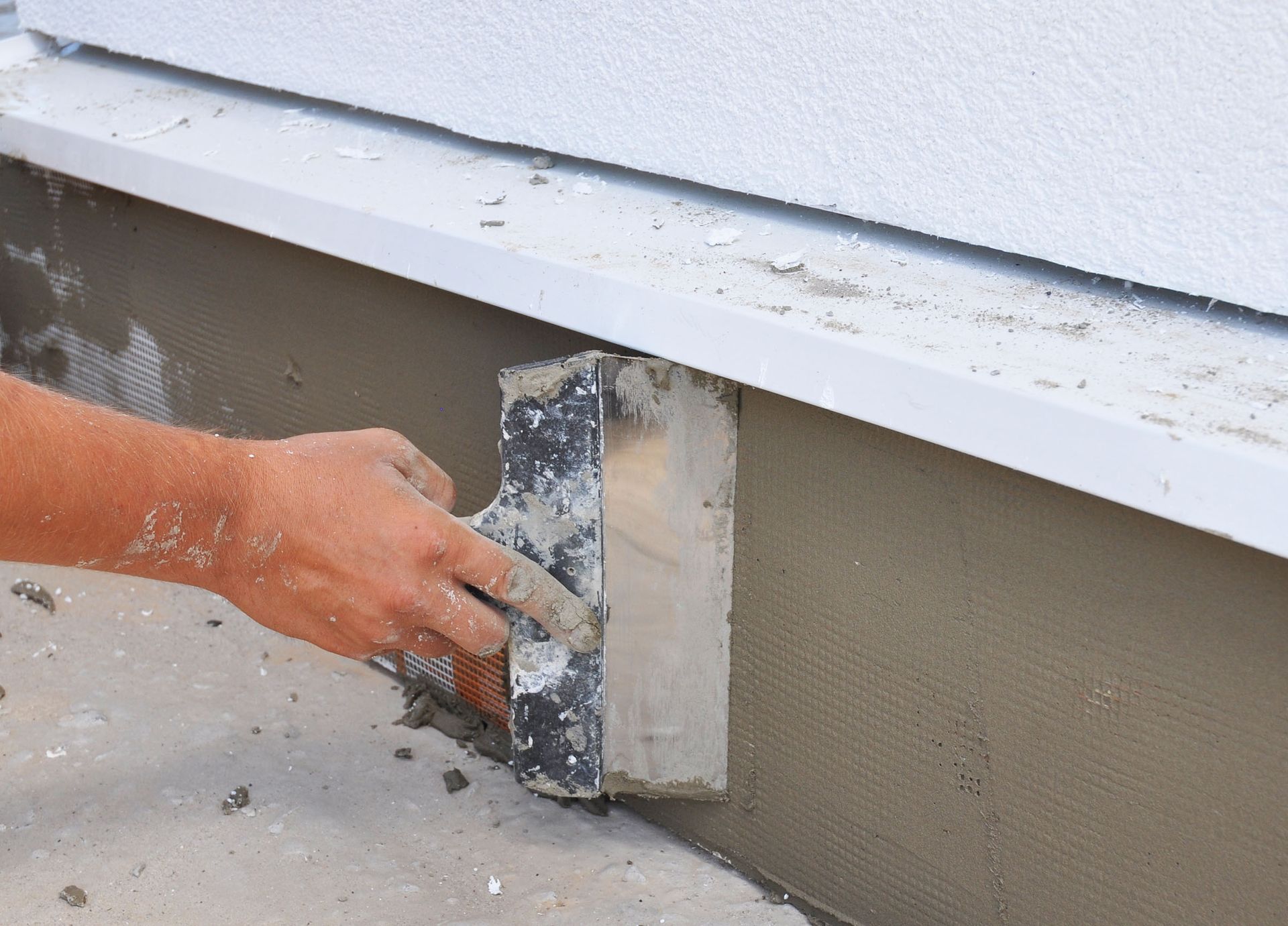
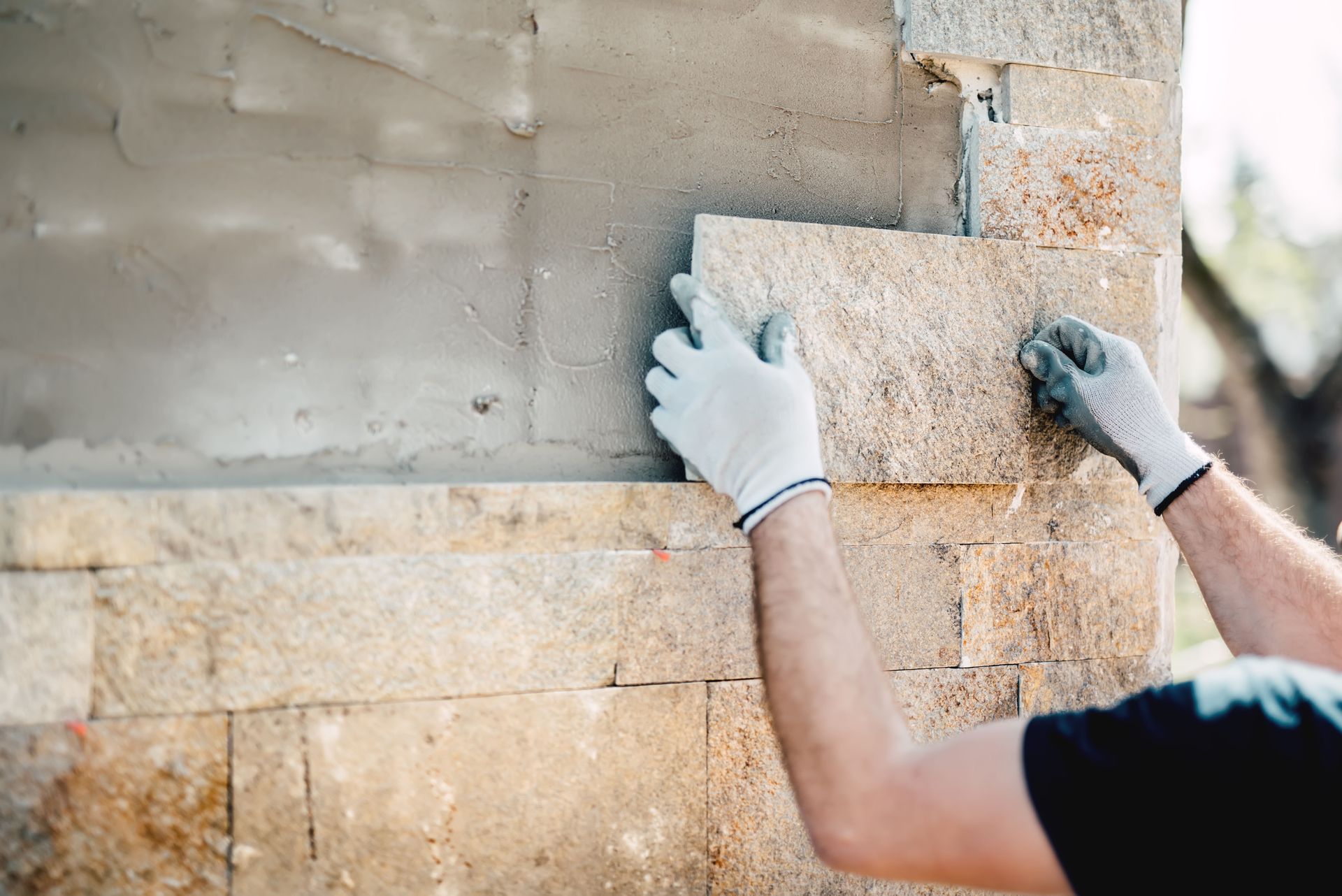
Masonry work encompasses a broad array of tasks, ranging from the laying of bricks and stones to the crafting of concrete structures. Masonry contractors are responsible for interpreting blueprints, accurately measuring and cutting materials, and assembling components to create durable and enduring constructions. Their role is critical in ensuring that the materials are arranged and bonded in ways that enhance a structure's aesthetic and functional properties. By mastering the use of various tools and techniques, these contractors ensure the seamless integration of structural components.
Their work demands a blend of manual dexterity and technical expertise, as the precise alignment of masonry units determines the structural integrity of a building. Masonry contractors also frequently collaborate with architects, engineers, and other tradespeople to ensure their work aligns with the project's overall design and objectives. This cooperative approach not only ensures quality and consistency but also helps in meeting the project’s timeline and budgetary constraints. Their proficiency and meticulous attention to detail are what set exceptional masonry contractors apart from the rest.
In addition to new construction, masonry contractors are often involved in restoration and repair work, revitalizing old and deteriorating structures. These projects require a deep understanding of historical masonry techniques and materials to preserve the authenticity and heritage value of the buildings. By using their specialized skills, masonry contractors contribute significantly to the conservation of historical landmarks, thereby playing an integral role in maintaining the nation’s architectural heritage. Their work, thus, spans both contemporary construction and historical preservation, making their expertise invaluable across diverse projects.
Types of Projects Handled
Masonry contractors are versatile professionals who handle a wide variety of projects, from residential homes to large commercial complexes. Residential projects often include building retaining walls, patios, fireplaces, and stone walkways—each requiring a unique set of skills and a detailed understanding of client needs. On the commercial end, masonry contractors may be tasked with constructing office buildings, schools, and retail outlets, which often demand a more robust structural approach and adherence to stringent building codes.
Beyond the typical constructions, these contractors are also skilled in specialized projects like historical restorations or the creation of ornamental structures that add character and distinction to an urban landscape. Each project, whether big or small, requires a specific attention to detail, as the unique characteristics of materials like brick, stone, and concrete can greatly affect the final outcome. With the ability to transform basic materials into utilitarian and expressive works of art, masonry contractors are indispensable in realizing architectural visions.
Why is the Expertise of Masonry Contractors Critical?
Impact on Structural Integrity
The expertise of masonry contractors is paramount to the structural integrity of any building project. Their ability to ensure that buildings are not only visually appealing but also structurally sound is the result of years of training and experience in the field. Masonry contractors implement techniques that enhance the tensile strength and load-bearing capacity of structures, addressing potential vulnerabilities in design or construction.
Their contribution goes beyond basic construction tasks as they interpret complex architectural blueprints to create formations that withstand environmental pressures and natural calamities. With masonry being a key element in the overall framework of many structures, their role is crucial in reinforcing stability against factors such as seismic activity and high winds. Their precision and methodical approach make them indispensable in safeguarding the physical integrity of infrastructure.
Ensuring Project Longevity
The longevity of construction projects is heavily reliant on the expertise and meticulous efforts of masonry contractors. Durability is a key consideration, with structures needing to withstand the test of time amidst varying environmental conditions. Contractors achieve this by expertly selecting and applying durable materials and employing construction techniques that prevent premature structural deterioration.
Regular maintenance and repair tasks undertaken by masonry contractors further contribute to extending the lifespan of buildings. By addressing wear and tear promptly and efficiently, they mitigate risks and halt the progression of potential structural damage that may otherwise lead to costly renovations or replacements. This proactive approach is essential in maintaining the integrity of both new and existing structures.
How to Choose the Right Masonry Contractor?
Evaluating Experience and Portfolio
Choosing the right masonry contractor begins with evaluating their experience and reviewing their portfolio, which provides insights into their expertise and past work quality. Experience is a reliable indicator of a contractor's ability to handle diverse project challenges and complete tasks efficiently and effectively. A seasoned contractor is likely to have encountered and successfully resolved a broad array of construction scenarios, giving them a valuable perspective on potential project pitfalls.
A successful portfolio showcases previous projects that reflect the contractor’s capability to meet aesthetic and structural expectations. It offers prospective clients a chance to see the range and style of the contractor’s work, helping them decide if the contractor’s experience aligns with their own project needs. Examining a contractor's past work can also reveal the diversity of materials and techniques they are proficient in, which might be crucial for specific project requirements.
Checking Licenses and Insurance
Verifying licenses and insurance is a critical step in selecting a masonry contractor, as it ensures legal compliance and offers protection against potential liabilities. A licensed contractor is one who has met specific industry standards and regulatory requirements, demonstrating their dedication to the profession and adherence to legal obligations. This accreditation serves as a trustworthy validation of the contractor's skills and expertise.
Similarly, adequate insurance coverage, including both liability and worker’s compensation insurance, protects clients from unforeseen events that may occur on the job site. Ensuring that a contractor is insured confirms that they have the financial means to cover any accidents or damages that may arise, safeguarding both the contractor's team and the client's investment. Without proper insurance, clients may risk being held liable for accidents or damage, underscoring the importance of addressing these prerequisites.
Masonry contractors are crucial players in construction, offering specialized expertise that bridges the gap between architectural design and physical reality. Their work ensures not only the aesthetics but also the structural safety and longevity of a wide range of projects. Through continuous education and adherence to safety standards, they uphold industry benchmarks, offering vital support to meet regulatory requirements and project goals.
Choosing the right masonry contractor ensures that the project is executed with precision and care, solidifying its durability and appearance for years to come. Considering factors like experience, reviews, licensing, insurance, and communication can lead to a partnership that complements the project’s vision and demands. As stewards of their trade, masonry contractors epitomize the skill and dedication required to transform building plans into lasting structures of value. Reach out to 412 Masonry and Restoration today to see how we can help you!